








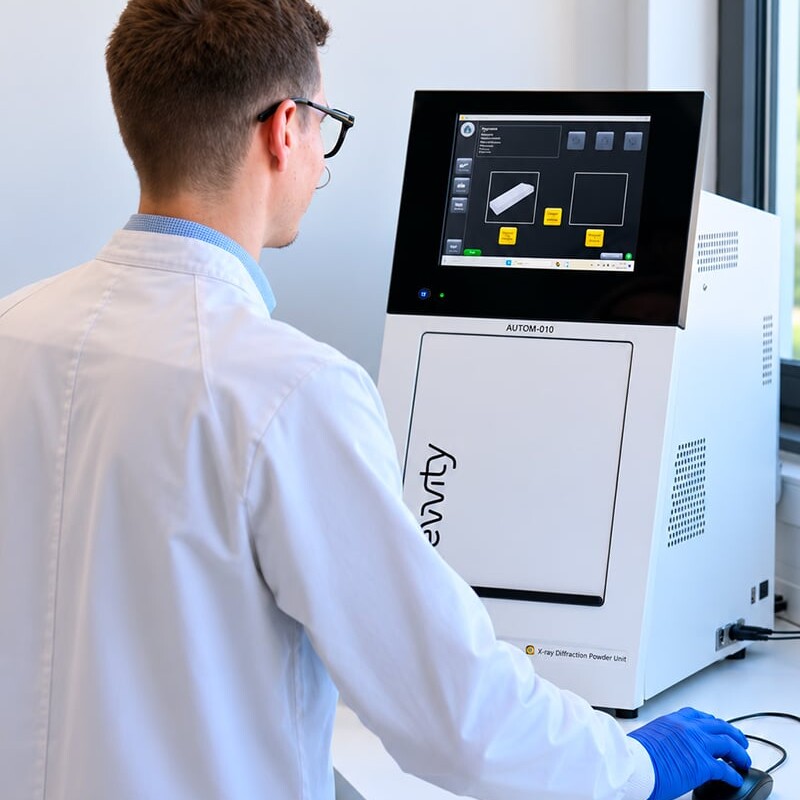
Multi-system approach
Entrust the expression of your recombinant proteins to our expert platform, which supports a comprehensive range of expression systems: Escherichia coli, mammalian CHO and HEK cells, yeast and cell-free technologies.
Protein expression in Escherichia coli
Fast, cost-effective bioproduction of recombinant proteins in E. coli. This system is ideal for non-glycosylated proteins, antigens, enzymes and antibody fragments such as scFv and Fab.
From gene design to purification, we optimize expression and solubility to achieve high yields.
Les anticorps humanisés représentent aujourd’hui la majorité des anticorps thérapeutiques approuvés sur le marché.
L’humanisation d’un anticorps parental est réalisée suivant une version modernisée de “CDR-grafting” développée par Winter et al. (« Medical Research Council » – Cambridge – UK). Cette approche consiste à insérer les régions CDR (Complementary Determining Regions) d’un anticorps parental, généralement murin, dans une structure d’anticorps humain. Cette stratégie permet de conserver la spécificité et l’affinité pour l’antigène tout en réduisant l’immunogénicité chez l’homme.
Après cette étape d’humanisation, une optimisation des séquences peut être proposée avec en option des analyses complémentaires par modélisation moléculaire. Les objectifs étant :
- d’améliorer la manufacturabilité en réduisant l’hétérogénéité
- d’augmenter l’affinité et l’activité biologique de l’anticorps (IC50)
RD-Biotech met également son expertise au service du développement et de la production de vos protéines recombinantes , avec la possibilité de les fusionner à un domaine Fc afin d’optimiser leurs performances selon les besoins spécifiques de votre projet.
Why choose E. coli with RD-Biotech?
- Very short lead times: purified protein in less than three weeks
- Optimized yields: coordinated, customized optimization throughout the process
- Endotoxin-free recombinant proteins: suitable for recombinant protein vaccines and immunology applications
Protein expression in CHO and HEK cells
Bioproduction of proteins, including recombinant antibodies in mammalian cells (CHO and HEK293) .
We support your project from sequence design through to production, providing the appropriate post-translational modifications, including glycosylation and correct protein folding, together with high productivity and straightforward industrial scale-up.
For therapeutic recombinant proteins and proteins requiring native post-translational modifications (such as glycosylation, phosphorylation and disulfide-bond formation) eukaryotic mammalian systems using CHO or HEK293 cells are the preferred choice.
RD-Biotech has extensive expertise in suspension cell lines, enabling rapid assessment through transient transfection.
The resulting recombinant proteins have:
- A native structure
- Optimal biological activity
- Low endotoxin levels
They are therefore ideally suited to in vivo studies, recombinant protein vaccines and biotherapeutic development.
Key benefits
- Accurate preservation of mammalian post-translational modifications
- Smooth scale-up from millilitres to litres
- Purified batches ranging from a few milligrams to several grams
- Fast production
Protein expression in yeast
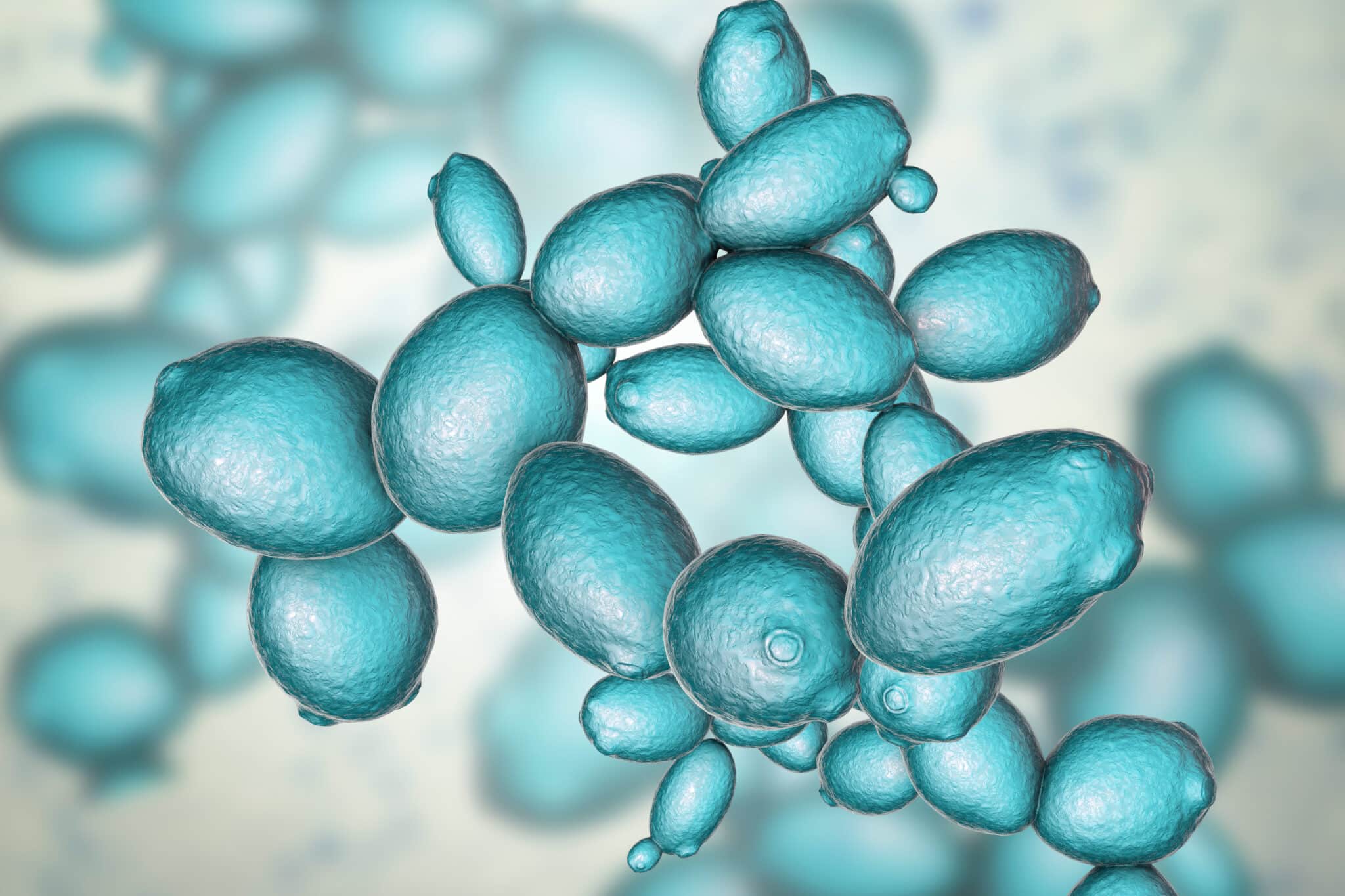
Yeast expression systems using Pichia pastoris or Saccharomyces cerevisiae combine the rapid growth of bacteria with post-translational modifications similar to those produced by mammalian systems.
These systems are ideal for complex, secreted or glycosylated proteins. They enable direct secretion into the culture medium and provide inherently endotoxin-free quality.
We optimize sequences and induction conditions to achieve high yields of up to several hundred milligrams. These systems are particularly well suited to recombinant proteins intended for preclinical research or vaccine formulation.
What are the benefits of Pichia pastoris and Saccharomyces cerevisiae expression systems?
Protein expression using cell-free systems
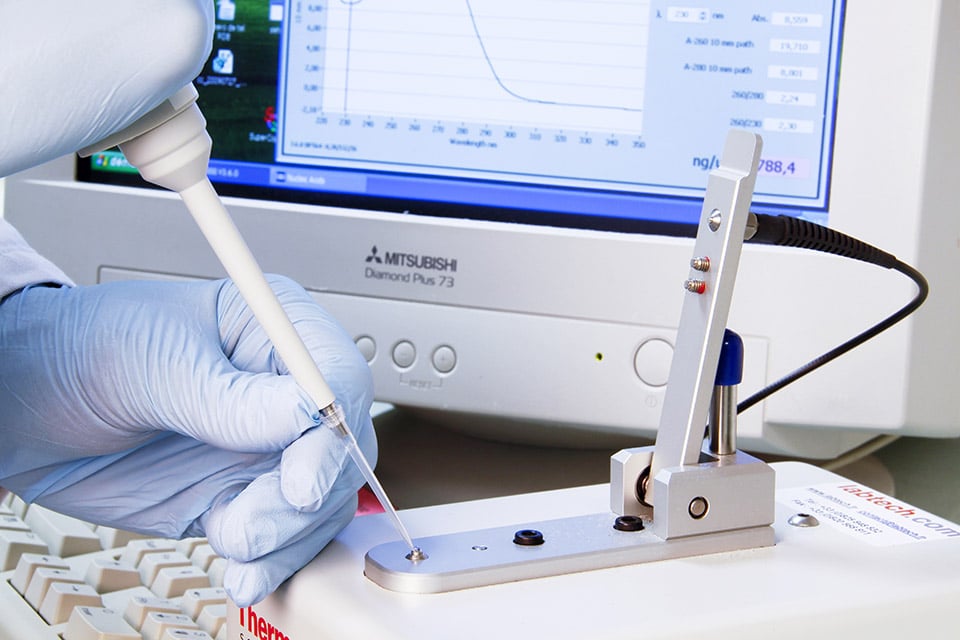
A cell-free expression system for the ultra-fast production within (only a few hours) of toxic, unstable or difficult-to-express proteins that cannot readily be produced in living systems.
The wheat germ extract (WGE—cell-free system) is an alternative solution for toxic proteins, membrane proteins and other proteins that are difficult to express in living systems.
Its open environment provides improved protein folding and allows detergents, lipids or cofactors to be added directly. No codon optimization is required.
We produce hundreds of constructs every year involving:
- G protein-coupled receptors—GPCRs
- Membrane receptors
- Viral proteins
A few milligrams can be produced in only a few days, making this approach ideal when speed and functionality are critical.